
-
×
 Ethics & Cultural Competency: 1-Day Intensive Certificate By Frances Patterson - PESI
1 × $23.10
Ethics & Cultural Competency: 1-Day Intensive Certificate By Frances Patterson - PESI
1 × $23.10 -
×
 Information Marketing University By Fred Gleeck & Bob Bly
1 × $15.40
Information Marketing University By Fred Gleeck & Bob Bly
1 × $15.40 -
×
 Transgender & Gender Non-Binary (TGNB) Clients: Clinical Issues and Treatment Strategies By lore m dickey - PESI
1 × $23.10
Transgender & Gender Non-Binary (TGNB) Clients: Clinical Issues and Treatment Strategies By lore m dickey - PESI
1 × $23.10 -
×
 Nutritional and Integrative Interventions for Mental Health Disorders: Non-Pharmaceutical Interventions for Depression, Anxiety, Bipolar & ADHD By Leslie Korn - PESI
1 × $23.10
Nutritional and Integrative Interventions for Mental Health Disorders: Non-Pharmaceutical Interventions for Depression, Anxiety, Bipolar & ADHD By Leslie Korn - PESI
1 × $23.10 -
×
 Spartan Renko 2.0 Workshop 2017
1 × $23.10
Spartan Renko 2.0 Workshop 2017
1 × $23.10 -
×
 Multidisciplinary Wound Care: Effective Strategies for Managing Wounds & Their Underlying Causes By Carmen Thompson - PESI
1 × $23.10
Multidisciplinary Wound Care: Effective Strategies for Managing Wounds & Their Underlying Causes By Carmen Thompson - PESI
1 × $23.10 -
×
 Neuroplasticity and Stroke Rehab: A Roadmap to Functional Recovery By Benjamin White - PESI
1 × $23.10
Neuroplasticity and Stroke Rehab: A Roadmap to Functional Recovery By Benjamin White - PESI
1 × $23.10 -
×
 Leadershift Mini Course with Trent Shelton By John Maxwell
1 × $15.40
Leadershift Mini Course with Trent Shelton By John Maxwell
1 × $15.40 -
×
 Full Stop By John Wheeler
1 × $15.40
Full Stop By John Wheeler
1 × $15.40 -
×
 EMAIL MARKETING By GetRespones
1 × $23.10
EMAIL MARKETING By GetRespones
1 × $23.10 -
×
 The Hidden Vortex by Arash Dibazar
1 × $15.40
The Hidden Vortex by Arash Dibazar
1 × $15.40 -
×
 Barb Stepp Simply Hypnosis By Barbara Stepp
1 × $15.40
Barb Stepp Simply Hypnosis By Barbara Stepp
1 × $15.40 -
×
 How to Foster Post-Traumatic Growth By NICABM
1 × $23.10
How to Foster Post-Traumatic Growth By NICABM
1 × $23.10 -
×
 Understanding the Needs of the Dying: Bringing Hope, Comfort and Love to Life's Final Chapter By David Kessler - PESI
1 × $23.10
Understanding the Needs of the Dying: Bringing Hope, Comfort and Love to Life's Final Chapter By David Kessler - PESI
1 × $23.10 -
×
 Mexico Guide (Gold) By King Epic
1 × $23.10
Mexico Guide (Gold) By King Epic
1 × $23.10 -
×
 Aaron Beck on Cognitive Therapy With Aaron Beck
1 × $7.70
Aaron Beck on Cognitive Therapy With Aaron Beck
1 × $7.70 -
×
 Manifesting To The Max (2016) by Twenty-Twenty
1 × $15.40
Manifesting To The Max (2016) by Twenty-Twenty
1 × $15.40 -
×
 Suicide & Non-Suicidal Self Injury: New Directions for the Treatment of Suicidal and NSSI Behaviors By Meagan Houston _ PESI
1 × $23.10
Suicide & Non-Suicidal Self Injury: New Directions for the Treatment of Suicidal and NSSI Behaviors By Meagan Houston _ PESI
1 × $23.10 -
×
 Magick And Psychic Influence (2015) by Ross Jeffries
1 × $15.40
Magick And Psychic Influence (2015) by Ross Jeffries
1 × $15.40 -
×
 Perfect Pitch Ear Training By David Lucas Burge
1 × $15.40
Perfect Pitch Ear Training By David Lucas Burge
1 × $15.40 -
×
 All Things Pulmonary by Cyndi Zarbano - PESI
1 × $23.10
All Things Pulmonary by Cyndi Zarbano - PESI
1 × $23.10 -
×
 Real Estate Secrets By Private Wealth Academy
1 × $23.10
Real Estate Secrets By Private Wealth Academy
1 × $23.10 -
×
 Hot Topics for Nurse Leaders: Six Calls to Action By Karen Lee Burton - PESI
1 × $23.10
Hot Topics for Nurse Leaders: Six Calls to Action By Karen Lee Burton - PESI
1 × $23.10 -
×
 The Whole Journey Candida Cleanse by Christa Orecchio
1 × $15.40
The Whole Journey Candida Cleanse by Christa Orecchio
1 × $15.40 -
×
 Anxiety Disorders in Children and Adolescents: Recognizing & Treating the Emerging Epidemic By Paul Foxman - PESI
1 × $23.10
Anxiety Disorders in Children and Adolescents: Recognizing & Treating the Emerging Epidemic By Paul Foxman - PESI
1 × $23.10 -
×
 Healthy Hormone Done-For-You By Lorene Sauro
1 × $23.10
Healthy Hormone Done-For-You By Lorene Sauro
1 × $23.10 -
×
 Profit From Panic By Team Resh
1 × $23.10
Profit From Panic By Team Resh
1 × $23.10 -
×
 Navigating Ethical Challenges in Mental Health Practice: Current Guidelines for Clinicians By Susan Zoline - PESI
1 × $23.10
Navigating Ethical Challenges in Mental Health Practice: Current Guidelines for Clinicians By Susan Zoline - PESI
1 × $23.10 -
×
 Spiritual Option Homestudy Program by Filip Mihajlovic
1 × $15.40
Spiritual Option Homestudy Program by Filip Mihajlovic
1 × $15.40 -
×
 The Art of Mushin Meditation Course by Tristan Truscott
1 × $23.10
The Art of Mushin Meditation Course by Tristan Truscott
1 × $23.10 -
×
 Launchpad Trading by Base Camp Trading
1 × $23.10
Launchpad Trading by Base Camp Trading
1 × $23.10 -
×
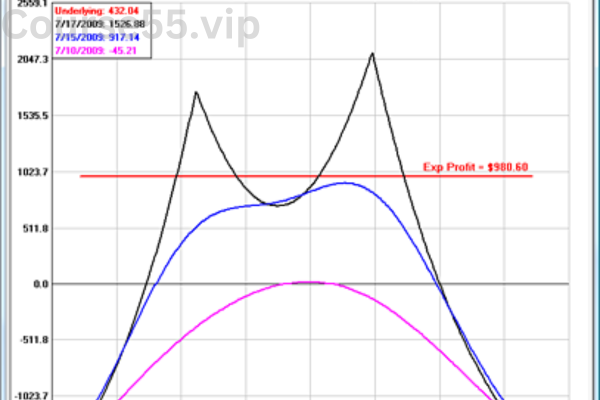 The Expected Return Calculator
1 × $23.10
The Expected Return Calculator
1 × $23.10 -
×
 Spirituality & Mental Health: Effective Strategies to Integrate Faith in Clinical Treatment By Esther Williams - PESI
1 × $23.10
Spirituality & Mental Health: Effective Strategies to Integrate Faith in Clinical Treatment By Esther Williams - PESI
1 × $23.10 -
×
 Affiloblueprint 3.0 by Mark Ling
1 × $15.40
Affiloblueprint 3.0 by Mark Ling
1 × $15.40 -
×
 BCG Potential Test Training Programme
1 × $15.40
BCG Potential Test Training Programme
1 × $15.40 -
×
 How To Work With Clients Who Blame By NICABM
1 × $23.10
How To Work With Clients Who Blame By NICABM
1 × $23.10
Primitive Reflex Integration for Neurodevelopmental Disorders By Robert Melillo & Kathy Johnson – PESI
Original price was: $299.00.$23.10Current price is: $23.10.
Primitive Reflex Integration for Neurodevelopmental Disorders: A Comprehensive Review – Digital Download!
Primitive Reflex Integration for Neurodevelopmental Disorders By Robert Melillo & Kathy Johnson – PESI
Overview
Primitive Reflex Integration for Neurodevelopmental Disorders: An In-Depth Analysis
In recent years, professionals in psychology, neurology, and education have increasingly focused on the role of primitive reflexes in neurodevelopmental disorders. The foundational work by Robert Melillo and Kathy Johnson explores how these reflexes contribute to developmental challenges such as ADHD, autism, and dyslexia. Their research highlights the connection between persistent primitive reflexes and delayed developmental milestones, common among children with neurobehavioral disorders. This comprehensive analysis not only emphasizes the importance of these reflexes but also presents therapeutic strategies that can enhance developmental outcomes.
The Role of Primitive Reflexes
Primitive reflexes are involuntary movements controlled by the central nervous system, activated in response to specific stimuli. These reflexes play a crucial role in an infant’s early survival but should integrate and disappear as the child matures. However, when they persist, they can disrupt motor control, coordination, and brain development, leading to cognitive and behavioral difficulties. Melillo and Johnson’s work underscores the significant impact of these reflexes, making a compelling case for their assessment and targeted intervention.
Essential Reflexes and Their Functions
Primitive reflexes serve as foundational movements that support survival and early development. These reflexes begin in prenatal stages and include key types such as:
- Moro Reflex – A startle reaction to sudden stimuli, essential for an infant’s early survival.
- Rooting Reflex – Helps newborns locate food by guiding them to the breast for feeding.
- Grasp Reflex – Encourages bonding by prompting infants to instinctively grasp objects.
While these reflexes are critical during infancy, they should integrate as part of the maturation process. For instance, if the Moro reflex persists beyond infancy, it may result in heightened anxiety and hypersensitivity to stimuli, affecting emotional regulation and social development. Such disruptions raise concerns about children with neurodevelopmental disorders, as retained reflexes can interfere with learning abilities and peer interactions.
Connections to Neurodevelopmental Disorders
Research has established a strong link between retained primitive reflexes and neurodevelopmental disorders such as ADHD, autism, and dyslexia. Each of these conditions presents specific challenges that are often compounded by unintegrated reflexes.
- ADHD – Persistent reflexes may contribute to motor instability and difficulty with attention regulation, suggesting that addressing these reflexes could improve focus and impulse control.
- Autism Spectrum Disorder – Unintegrated reflexes may hinder social communication and interaction, making it more challenging for children to engage with their peers.
- Dyslexia – Retained reflexes can interfere with motor coordination, affecting reading and writing development.
By recognizing these links, healthcare providers and educators can adopt strategies to address reflex integration as part of a broader neurodevelopmental support plan.
Therapeutic Approaches for Reflex Integration
The integration of primitive reflexes is essential for fostering proper developmental progress in children with neurodevelopmental challenges. Melillo and Johnson emphasize targeted exercises that combine physical and cognitive activities to stimulate underdeveloped areas of the brain.
Key Strategies for Reflex Integration
- Targeted Physical Exercises – Activities that improve coordination and proprioception to encourage reflex integration.
- Cognitive Development Tasks – Engaging exercises that enhance processing abilities and attention control.
- Sensory Integration Therapy – Techniques that enhance sensory processing, allowing children to better engage with their surroundings.
These approaches collectively support a well-rounded developmental strategy, addressing motor, cognitive, and social skill deficiencies.
Additionally, Melillo advocates for structured programs that involve parents and educators in the integration process. Caregivers play a crucial role in reinforcing therapeutic strategies in daily settings, ensuring consistent support for affected children.
The Future of Neurodevelopmental Care
The study of primitive reflex integration has significant implications for both treatment and education. Schools and caregivers are encouraged to monitor reflex development and seek professional guidance if integration is delayed. Early detection fosters an environment that prioritizes proactive intervention, preventing long-term developmental struggles.
Moreover, as research continues to evolve, raising awareness among parents, teachers, and healthcare professionals about the importance of primitive reflexes presents an opportunity for widespread community involvement. Workshops and educational initiatives can facilitate a better understanding of these developmental processes, leading to improved support for affected individuals.
Conclusion: Advancing Developmental Support
The research conducted by Robert Melillo and Kathy Johnson on primitive reflex integration highlights the importance of early intervention and holistic therapeutic approaches. Their work underscores the relationship between these reflexes and developmental challenges, identifying critical areas for therapeutic focus. By promoting strategies for reflex integration, we can enhance cognitive, motor, and emotional development, ensuring that every child has the opportunity to thrive. Recognizing the significance of primitive reflexes in neurodevelopment is a crucial step toward fostering a more inclusive and supportive environment for children facing developmental obstacles.
Frequently Asked Questions:
Business Model Innovation: We operate a group buying strategy, allowing participants to share costs and access popular courses at reduced prices. This model benefits individuals with limited financial resources, despite concerns from content creators about distribution methods.
Legal Considerations: The legality of our operations involves complex issues. Although we don’t have explicit permission from course creators to resell their content, there are no specific resale restrictions stated at the time of purchase. This ambiguity creates an opportunity for us to provide affordable educational resources.
Quality Control: We ensure that all course materials purchased are identical to those offered directly by the creators. However, it’s important to understand that we are not official providers. As such, our offerings do not include:
– Live coaching calls or sessions with the course author.
– Access to exclusive author-controlled groups or portals.
– Membership in private forums.
– Direct email support from the author or their team.
We aim to reduce the cost barrier in education by offering these courses independently, without the premium services available through official channels. We appreciate your understanding of our unique approach.
Be the first to review “Primitive Reflex Integration for Neurodevelopmental Disorders By Robert Melillo & Kathy Johnson – PESI”
You must be logged in to post a review.
Related products

Original price was: $99.00.$23.10Current price is: $23.10.

Original price was: $297.00.$23.10Current price is: $23.10.
Original price was: $484.00.$23.10Current price is: $23.10.

Original price was: $249.00.$23.10Current price is: $23.10.

Original price was: $497.00.$23.10Current price is: $23.10.

Original price was: $99.00.$23.10Current price is: $23.10.

Original price was: $197.00.$31.00Current price is: $31.00.
Original price was: $200.00.$23.10Current price is: $23.10.

Original price was: $199.00.$23.10Current price is: $23.10.

Original price was: $127.00.$23.10Current price is: $23.10.

Original price was: $249.00.$23.10Current price is: $23.10.

Original price was: $249.00.$23.10Current price is: $23.10.
Original price was: $249.00.$23.10Current price is: $23.10.

Original price was: $297.00.$23.10Current price is: $23.10.

Reviews
There are no reviews yet.